Henrico probate court records are official legal documents that show how a person’s estate is handled after death in Henrico County, Virginia. These records include wills, estate filings, executor appointments, and court decisions related to property and asset distribution.These documents are created and maintained by the Henrico probate court to ensure that every estate case follows Virginia law and that assets are passed on in a lawful and organized manner.Henrico probate court records provide a clear legal trail of what happens to a person’s money, property, and debts after death. These records are used to confirm whether a will is valid and to identify who has legal rights to manage and inherit the estate. In Henrico County, Virginia, probate matters are handled under the circuit court system, where judges oversee estate validation, executor approval, and asset distribution. Each case is recorded in detail, including filings, hearings, and final rulings. These records also help resolve disputes between family members or creditors by offering official proof of legal decisions. Many people search for probate court Henrico County VA records when dealing with inheritance questions, property ownership checks, or estate settlements.
Estate cases Henrico courts handle may involve both simple and complex estates, depending on assets and legal claims. Henrico probate court records also play a major role in managing estate cases Henrico County after a person passes away, especially when property, bank accounts, and legal responsibilities must be handled in a structured way. These records show how the probate court Henrico County VA supervises each step, from filing a will to final distribution of assets among heirs. When a case enters probate, the court first verifies the authenticity of the will and then appoints an executor or administrator to manage the estate. Every action taken during this process is recorded in official documents, which later become part of Henrico probate court records. Estate cases Henrico courts handle can vary from simple small estates to complex cases involving multiple heirs or contested wills. By maintaining detailed records, the court ensures transparency and legal clarity in every estate matter.
What Henrico Probate Court Actually Handles
The Henrico Probate Court primarily handles legal matters related to the administration of estates after someone passes away. This includes validating wills, appointing executors or administrators, and overseeing the distribution of assets to heirs. It also deals with guardianship and conservatorship cases for minors and adults who cannot manage their own affairs. In addition, the court may process name changes and other related filings. In many cases, procedures and filings may be associated with henrico county court depending on the nature of the case and jurisdiction. Overall, it ensures that a deceased person’s estate is settled fairly and in accordance with Virginia law while protecting the rights of beneficiaries and dependents. Parties involved must typically submit required documents, such as death certificates, inventories of assets, and creditor notices, to initiate probate proceedings. The court may hold hearings to resolve disputes among heirs or challenges to a will’s validity. It also supervises the timely payment of debts and taxes owed by the estate before distribution occurs.
Probate Jurisdiction in Henrico County
Henrico probate court has authority over legal matters tied to estates after death in Henrico County, Virginia. It oversees cases involving wills, property transfers, and estate settlement authority under Virginia law. This court operates within the circuit court system and manages legal inheritance processing for local residents. It records each case to keep the process transparent and legally valid. It also supervises the appointment of executors or personal representatives who are responsible for administering the estate according to the decedent’s wishes or state intestacy laws when no valid will exists. The court ensures that all debts, taxes, and creditor claims are properly identified and resolved before assets are distributed to beneficiaries.
- Wills and probate Henrico filings
- Estate administration matters
- Inheritance cases Henrico families face
- Executor and administrator appointments
- Property transfer approvals
Legal Matters Processed in the Probate System
The probate system in Henrico County processes several types of estate-related legal matters. These matters focus on confirming ownership, managing debts, and distributing assets fairly. It also ensures that wills are validated through the court, and if no will exists, state intestacy laws determine rightful heirs. Executors or administrators are appointed to oversee the estate, inventory assets, settle outstanding taxes, and resolve creditor claims. The process may involve hearings, documentation review, and supervision by probate judges to prevent disputes among beneficiaries. In some cases, guardianship matters for minors or incapacitated individuals are also addressed within probate proceedings, ensuring proper legal protection and orderly transfer of property rights under applicable Virginia probate court procedures and rules.
- Validation of wills through the will validation system
- Estate administration after a person’s death
- Handling inheritance disputes between heirs
- Reviewing creditor claims against estates
- Supervising distribution of financial and real assets
Wills, Estate Administration, and Inheritance Transfers
Wills and probate Henrico procedures begin when a will is submitted to the court. The court reviews it to confirm legal validity and authenticity. After validation, the court appoints an executor or personal representative to manage the estate administration process. This individual is responsible for gathering assets, paying debts, and notifying beneficiaries and creditors. The probate process may also involve inventory filings, tax obligations, and hearings if disputes arise. Proper documentation must be maintained throughout proceedings to ensure transparency and compliance with Virginia law requirements, helping to prevent delays and legal complications during estate settlement and final distribution of assets to heirs.
- Listing all assets and debts
- Appointing an executor or estate administrator
- Paying outstanding obligations
- Distributing property to rightful heirs
Role in Estate and Property Disputes
Henrico probate court also handles disputes linked to estate settlement authority and property distribution. These conflicts often arise when heirs disagree about wills or asset division. Such cases may involve challenges to the validity of a will, claims of undue influence, or questions about executor conduct during administration. The court reviews documentation, hears testimony, and applies Virginia probate law to ensure fair resolution. It also supervises fiduciary responsibilities and may appoint administrators when no valid will exists. Mediation is sometimes encouraged to reduce prolonged litigation and preserve family relationships.
- Examine contested wills
- Confirm inheritance rights
- Resolve disagreements among beneficiaries
- Clarify ownership of estate property
Authority to Validate or Reject Wills
A major function of the court is operating the will validation system. It checks whether a will meets all legal requirements under Virginia law. This process, known as probate review, ensures that the document was properly signed, witnessed, and executed without fraud or undue influence. In some related legal contexts, such as matters handled by the juvenile court the court’s oversight role also emphasizes protection and fairness in sensitive cases. The court confirms the decedent’s capacity at the time of drafting and resolves disputes among beneficiaries. Additionally, it oversees the appointment of executors, manages estate administration, and guarantees debts and taxes are properly settled before distribution of assets to heirs.
- Accept valid wills for probate
- Reject invalid or incomplete wills
- Investigate challenges to estate documents
- Assign administrators when no valid will exists
How to Search Henrico Probate Court Records
Searching Henrico Probate Court records starts by visiting the official county court or clerk’s website. Look for sections related to probate, wills, or estate records. Most systems allow you to search by name, case number, or filing date. If online access is limited, you can visit the courthouse in person and request records at the clerk’s office. Be prepared with basic details to speed up the process. Some records may require a small fee for copies. Always verify information and follow local rules for accessing public court documents.
Open the official case search page
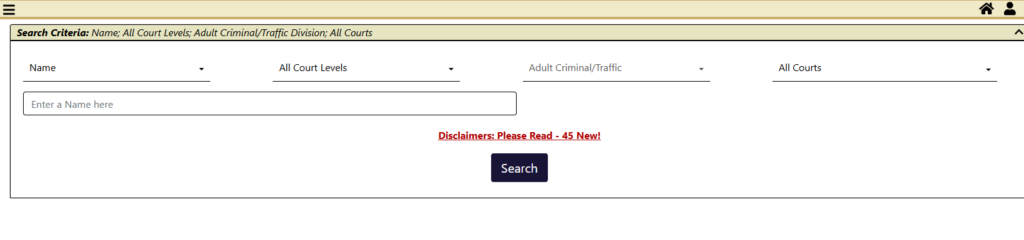
Visit the Virginia Judiciary Online Case Information System through the Henrico Clerk website.
Select search criteria
Probate and estate cases are listed under Civil / Circuit Court. On the search page, set the following options:
- Search Type: Name
- Court Level: Circuit Court
- Division: Civil
- Court: Henrico County Circuit Court
Enter the name
In the “Enter a Name here” box:
- Type the last name of the deceased person
- First name is optional but recommended
Click Search
Press the Search button to view results.
Review probate case results
Click the case number to open basic details.
- Estate / probate case name
- Case number
- Filing date
- Case status
Probate Process in Henrico County
In Henrico County, Virginia, probate is a court-supervised inheritance process managed by the Henrico County Circuit Court Clerk. It ensures proper handling of probate filings Virginia and legal transfer of a deceased person’s estate. During this process, the court validates the will, if one exists, and formally appoints an executor or administrator to manage the estate. This individual is responsible for identifying assets, paying outstanding debts, taxes, and resolving creditor claims. After all obligations are met, the remaining property is distributed to beneficiaries according to the will or state law, ensuring a fair and lawful estate settlement.
Filing of the Will After Death
The process starts when the will is filed in the clerk’s office. Once submitted, the court reviews the document to confirm its validity and ensure it meets legal requirements. After approval, an executor is officially appointed to manage the estate. This person gathers assets, identifies debts, and notifies beneficiaries and creditors. The estate then goes through a period of debt settlement and tax handling. Finally, remaining assets are distributed according to the will, completing the probate process under court supervision. This ensures fairness and transparency for all parties involved fully.
- The court records the will officially
- If no will exists, the estate is handled under state law
Appointment of Executor or Administrator
The appointment of an executor or administrator is a key step in the probate process. If the deceased left a valid will, the court typically appoints the named executor to manage the estate. If there is no will, the court selects an administrator, usually a close relative. This person is responsible for gathering assets, paying debts, and distributing property to beneficiaries. The court ensures the appointed individual is trustworthy and capable of handling financial and legal duties properly throughout the estate administration process.
- If a will exists → the named executor is approved
- If no will → the court appoints an administrator
Verification of Estate Assets and Liabilities
The executor must identify and report all assets and liabilities of the estate with accuracy and transparency. This includes real estate, bank accounts, investments, personal belongings, and any outstanding debts or obligations. Proper documentation is essential to ensure nothing is overlooked during the estate administration process. The executor is also responsible for notifying beneficiaries and creditors, maintaining clear financial records, and submitting required reports to the court. By carefully organizing and verifying all information, the executor helps ensure a smooth process and fair distribution of assets according to the will or legal requirements.
- Property and real estate
- Bank accounts and assets
- Debts and financial obligations
Debt Clearance and Creditor Claims
Before distribution, the estate must go through several essential steps to ensure a lawful and organized process. The executor or administrator reviews all assets, verifies outstanding debts, and confirms the validity of claims made by creditors. Proper documentation is prepared and submitted to the probate court for approval. Taxes and liabilities are settled to avoid future disputes. Beneficiaries are identified according to the will or legal guidelines. This stage ensures transparency, prevents conflicts, and guarantees that the final distribution of assets is accurate, fair, and fully compliant with legal requirements.
- Creditors are notified
- Debts and taxes are paid
- Claims are reviewed and settled
Will Registration and Estate Case Handling in Henrico
In Henrico County, Virginia, wills and estate matters are handled through the Henrico County Circuit Court Clerk. This system ensures proper wills and probate Henrico procedures, legal verification of documents, and structured handling of estate cases Henrico under a court-supervised inheritance process. The clerk’s office plays a crucial role in maintaining official records, reviewing submitted wills for authenticity, and guiding executors through each legal step. By following established probate guidelines, the court helps minimize disputes, protect beneficiaries’ rights, and ensure fair distribution of assets. This organized approach provides clarity, transparency, and legal assurance for families managing estate transitions.
How Wills Are Submitted to Probate Court
When a person passes away, their original will must be filed with the clerk’s office to begin probate. The document is officially recorded and becomes part of the estate file. This step ensures the court recognizes the will as a legal record and allows further proceedings to begin under proper supervision in Henrico County. In addition, filing the will promptly helps prevent unnecessary delays and potential legal complications among beneficiaries or interested parties. The clerk’s office carefully reviews the submission to confirm it meets required standards, including proper signatures and formatting. Once accepted, the will provides clear guidance for asset distribution and executor responsibilities, ensuring the estate is managed according to the deceased’s wishes while maintaining transparency and legal compliance throughout the probate process.
- Submit original signed will to clerk office
- Provide death certificate for verification
- रिकॉर्ड officially entered into probate system
- Starts legal estate settlement procedure
Process of Validating a Will Legally
After submission, the court verifies the will through a will authentication process. This includes checking signatures, witnesses, and legal format requirements under Virginia law. The goal is to confirm the will is genuine and enforceable before allowing estate distribution or executor authority to proceed. During this stage, the court may also review supporting documents, such as affidavits from witnesses or notarization records, to ensure compliance with statutory standards. If any discrepancies are found, additional clarification or evidence may be requested from the executor or involved parties. This careful examination helps prevent fraud, protects beneficiaries’ rights, and ensures that the decedent’s final wishes are accurately honored and legally upheld.
- Verify signature of deceased person
- Confirm witness requirements (if applicable)
- Check legal format compliance
- Approve will for probate processing
Handling Contested Wills and Disputes
If any party challenges the will, the case becomes part of estate dispute resolution. The court reviews objections, hears arguments, and evaluates evidence before making a final decision. Disputes may involve claims of fraud, undue influence, or improper execution of the will. In such situations, all involved parties may be required to present witness testimony, medical records, or supporting documents to strengthen their claims. Legal representatives play a crucial role in arguing each side effectively. The court carefully examines the intent of the deceased and ensures that all legal formalities were followed. This process can take time, depending on the complexity of the dispute and the availability of clear evidence.
- Heirs or parties can file objections
- Court schedules hearings for review
- Evidence and legal claims examined
- Judge decides validity of dispute
Estate Case Classification in Henrico Courts
Henrico courts categorize probate matters to manage cases efficiently under probate case management. Classification depends on whether a will exists, if disputes arise, and the complexity of the estate involved in administration. This structured approach allows the court to assign appropriate procedures, timelines, and oversight for each case type. For example, uncontested estates with valid wills often proceed through a simplified process, while contested cases require more detailed review and hearings. Additionally, estates involving significant assets, debts, or multiple beneficiaries may be classified as complex, ensuring closer supervision and accurate distribution.
- Uncontested probate cases (simple estates)
- Contested will cases (legal disputes)
- Intestate estates (no will present)
- Guardianship or administration matters
Importance of Proper Documentation in Probate Approval
Accurate documentation is essential for smooth probate approval. Missing or incorrect records can delay the process or cause legal issues. Proper paperwork ensures the estate is processed efficiently and assets are distributed according to the law. In addition, well-prepared documents help the court verify the authenticity of the will and confirm the rightful beneficiaries without unnecessary complications. This reduces the chances of disputes among heirs and speeds up the overall legal procedure. Clear records of assets, debts, and ownership also assist in fair valuation and settlement of the estate. By maintaining organized and complete documentation, executors can fulfill their responsibilities more effectively while ensuring compliance with legal requirements and minimizing potential challenges.
- Valid will and supporting legal documents
- Death certificate submission
- Asset and liability records
- Executor identification and authorization
Legal Structure Behind Probate Administration
In Henrico County, Virginia, probate follows a structured legal framework governed by Virginia law and managed through the Henrico County Circuit Court Clerk. This system ensures proper estate administration and compliance with probate court Henrico County VA procedures under a judicial estate control system. From validating wills to appointing executors or administrators, each step is carefully supervised to protect the interests of beneficiaries and creditors. The process also involves inventorying assets, settling debts, and distributing property according to legal guidelines, ensuring transparency, accountability, and an orderly resolution of the decedent’s financial affairs.
Role of Virginia State Probate Laws in Henrico County
Virginia probate laws provide the legal foundation for handling wills, estates, and inheritance matters. These laws define how estates must be filed, processed, and distributed. They ensure uniform procedures across counties while guiding courts on resolving disputes and validating legal documents during probate.
- Establish rules for probate filings and procedures
- Define rights of heirs and beneficiaries
- Govern will validation and intestate cases
- Ensure fair legal probate governance
Authority of Probate Judge and Clerk System
The probate process operates under the authority of the circuit court system. The clerk handles filings, recordkeeping, and administrative duties, while judges oversee legal disputes and contested matters. Together, they maintain accuracy, transparency, and legal enforcement in estate cases.
- Clerk manages estate records and filings
- Judge handles disputes and legal rulings
- Court ensures compliance with state law
- Maintains structured judicial estate control system
Responsibilities of Estate Executors Under Law
Executors play a key role in managing estates according to legal requirements. They must act in the best interests of beneficiaries and follow all court guidelines throughout the probate process. Their duties are strictly regulated to prevent misuse or errors.
- Collect and manage estate assets
- Pay debts and taxes owed by estate
- Maintain accurate financial records
- Follow executor legal duties under court supervision
Court Supervision in Estate Closure Process
The court closely monitors the probate process to ensure proper handling of all estate matters. Executors must report progress, file necessary documents, and seek approval before closing the estate. This supervision helps prevent fraud and ensures fairness.
- Review estate reports and filings
- Approve asset distribution plans
- Monitor executor actions
- Ensure lawful estate closure
Legal Compliance in Inheritance Distribution
Final distribution of assets must follow legal rules set by the will or state law. The court verifies that all obligations are met before allowing inheritance to be transferred to beneficiaries. Compliance is essential to avoid disputes or delays.
- Follow instructions in the will
- Apply Virginia law if no will exists
- Ensure debts are cleared before distribution
- Complete lawful transfer of assets
Location and Contact Information
The Henrico probate court functions are handled by the Henrico County Circuit Court Clerk in Henrico County, Virginia. This court administrative office manages probate filings, estate cases, and provides access to public records for Henrico County estate records search. The clerk’s office ensures that wills are properly recorded, estate inventories are submitted, and legal procedures are followed under Virginia probate law. It also assists executors and beneficiaries in navigating required documentation, court schedules, and verification processes. Through accurate recordkeeping and procedural oversight, the office helps maintain transparency, legal compliance, and efficiency in settling estates within the county jurisdiction.
Location of Henrico County Probate Court Office
The probate records department is located at the main clerk’s office building, where all estate-related filings and document requests are processed. Visitors can access in-person services for wills, probate files, and certified copies.
Address: 4309 E. Parham Road, Henrico, VA
Official Site: https://henrico.gov/clerk/
Phone: (804) 501-4202
Office Hours: Monday to Friday: 8:00 AM – 4:30 PM
Frequently Asked Questions
Frequently Asked Questions about Henrico Probate Court help users quickly find answers about estate records, probate procedures, wills, and court services in Henrico County. This section covers common concerns such as accessing probate court records, filing a will, understanding estate administration, and timelines for probate cases. Whether you are researching inheritance matters or looking for official probate information, these FAQs provide clear guidance to make the process easier. Reviewing these answers can save time and help you better understand how probate works in Henrico County.
What is the role of probate court in Henrico County?
The probate court Henrico County VA is responsible for supervising the legal process that takes place after someone dies. It ensures that the deceased person’s will is valid, appoints an executor or administrator to manage the estate, and oversees the payment of debts and taxes. The court also ensures that the remaining assets are distributed to heirs according to the will or Virginia inheritance law. This process protects beneficiaries and creditors by making sure the estate is managed properly under legal supervision through the Henrico County Circuit Court Clerk’s probate division.
How are wills processed after death in Virginia probate system?
In the Virginia probate system, the original will must be filed with the clerk’s office after the person’s death. The court reviews the will to verify that it meets legal requirements and confirms the executor named in the document. Once approved, the executor receives authority to collect assets, pay debts, and manage the estate. After all legal obligations are complete, the remaining property is distributed to the heirs named in the will. This probate process ensures that wills and probate Henrico cases are handled legally and that estate distribution follows Virginia law.
Can anyone access estate records in Henrico County?
Most henrico probate court records are public records, which means members of the public can request access to them through the clerk’s office. People may search for estate case details, wills, and probate filings, although some information may only be available through formal requests or in-person access. Certified copies often require additional fees and verification. Certain confidential details, such as sensitive financial information, may be restricted under law. Public access helps ensure transparency in the probate system while still protecting private information when necessary during estate administration in Henrico County.
How long does probate process usually take in Henrico?
The probate process in Henrico County can take several months to more than a year depending on the complexity of the estate. Simple estates with clear documentation and no disputes may move quickly, while larger estates with debts, multiple beneficiaries, or contested wills can take much longer. The executor must gather assets, notify creditors, pay debts, and complete required court filings before the estate can close. Because the court supervises each step, delays may occur if documents are incomplete or disputes arise. The probate process ends only after the court approves final distribution.
What happens when someone dies without a will in Henrico County?
When someone dies without a valid will in Henrico County, the estate is handled under Virginia intestate succession laws. The probate court appoints an administrator to manage the estate, collect assets, and pay outstanding debts. After debts and expenses are settled, the remaining property is distributed to the deceased person’s legal heirs according to state law. Usually, assets pass first to the spouse and children, then to other relatives if necessary. This process ensures that the estate is distributed fairly, even without a will, under the supervision of the Henrico probate court system.